While acne can be frustrating, the scars it leaves behind can be just as challenging.
Dark spots and acne discolorations can last for weeks or months after the pimples have gone. Fortunately, their appearance can be gradually improved by adopting the right skincare regimen.
The key to effective acne mark removal is to understand what causes acne marks. From choosing suitable skincare ingredients to protecting your skin from sunlight, this guide explains how to fade acne marks and dark spots with a simple, consistent routine.
What Are Acne Marks?
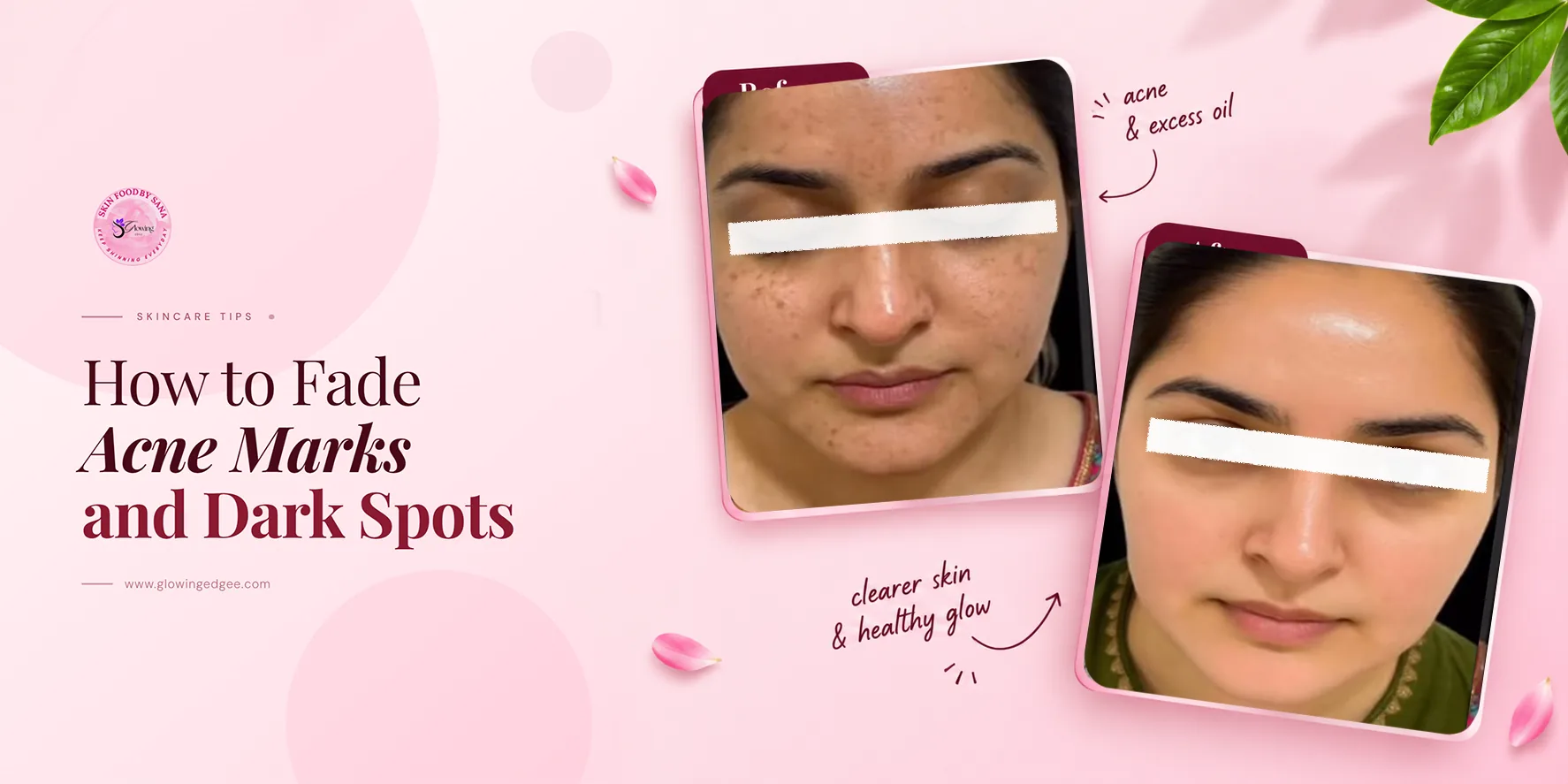
Acne marks are areas of discoloration that remain after a pimple or breakout has healed. They may be brown, dark brown, red, pink, or purple, depending on the type of inflammation and your skin tone.
One common cause of dark marks is post-inflammatory hyperpigmentation (PIH). This occurs when too much melanin is produced during skin healing processes caused by inflammation.
Acne scars are not permanent. Many flat marks fade over time, but this can take a few months.
Acne Marks vs. Acne Scars
Before selecting a treatment to address acne marks vs acne scars, it is important to recognize the difference between the two.
Acne marks: They are typically flat-colored spots. These do not change the texture of the skin, but they lead to an alteration of the skin color.
Acne scars: These are the changes in skin texture that are caused by acne, including pits, indentations, or raised areas. They can occur as a result of greater or deeper inflammation.
A number of products are available with ingredients that can help eliminate flat dark marks, but if these are deeper scars, you will need to seek professional care.
What Causes Dark Spots After Acne?
Several factors can contribute to acne marks and dark spots.
1. Inflammation During Breakouts
When acne becomes inflamed, an excess of melanin can be generated as a result of the healing process. This can leave a dark spot, even after the pimple has gone away.
2. Picking or Squeezing Pimples
Popping pimples can make the inflammation worse and cause injury to the skin around the pimple. This can cause discoloration to become more apparent and can also lead to scarring.
3. Sun Exposure
Dark spots can become darker and more visible when exposed to sunlight. If you don’t protect yourself from the sun, acne scars can last longer.
4. Irritating Skincare Products
Dry skin can be caused by harsh cleansers, over-exfoliation, and the use of inappropriate skincare products. It can cause or aggravate discoloration, particularly in those individuals who suffer from hyperpigmentation.
How to Fade Acne Marks and Dark Spots
The most effective strategy for acne mark removal is to use gentle skin care, appropriate ingredients for acne treatment, and sun protection daily.
1. Use Sunscreen Every Day
Sunscreen is an important step in any dark spot and uneven skin tone treatment. Pigmentation may become more noticeable during exposure to the sun. Taking care of your skin will stop it from getting darker during the healing process.
Use a broad-spectrum (UVA and UVB) sunscreen with an SPF of 30 or above. If you have oily or acne-prone skin, opt for a light, non-comedogenic option that won’t irritate your skin. Use sunscreen on exposed skin every day in the morning. Reapply as directed on the product label, especially when spending extended time outdoors, sweating, or swimming.
In Pakistan, the outdoor radiation is high, so it is very important to get sun protection daily if you have pigmentation.
2. Choose Skincare Ingredients That Support Fading
Certain skincare ingredients may help improve the appearance of acne marks. However, no ingredient works overnight, and results depend on your skin type, product formulation, and consistency.
Niacinamide
Niacinamide, also known as vitamin B3, may help improve uneven skin tone and support the skin barrier. It is also useful for people with oily skin because it may help regulate excess oil and reduce the appearance of redness.
Niacinamide is available in many serums and moisturizers. Start with a suitable formula and introduce it gradually if your skin is sensitive.
Vitamin C
Vitamin C is an antioxidant that may help brighten dull skin and improve the appearance of dark spots.
It is often included in morning skincare routines. However, some vitamin C formulations may cause irritation, so choose a product that suits your skin and follow its directions.
Azelaic Acid
Azelaic acid can be helpful for people dealing with acne and uneven pigmentation. It may improve the appearance of dark marks while supporting acne management.
It is available in different concentrations, including prescription and over-the-counter formulations depending on the country. Introduce it gradually and consult a dermatologist if you have persistent acne or sensitive skin.
Retinoids
Retinoids, including retinol and prescription retinoids, can help improve acne, skin texture, and the appearance of pigmentation over time. However, they may cause dryness, peeling, or irritation when used incorrectly.
Avoid introducing retinoids alongside several other strong active ingredients. If you are pregnant, planning pregnancy, or breastfeeding, consult a healthcare professional before using retinoids.
3. Keep New Acne Breakouts Under Control
It’s hard to fade the old spots if new acne keeps forming. When new breakouts occur, they may produce another dark spot, and controlling existing acne is essential to preventing future discoloration. Salicylic acid is one of the ingredients used in mild acne treatments that can be helpful for unclogging pores and decreasing breakouts if applied properly.
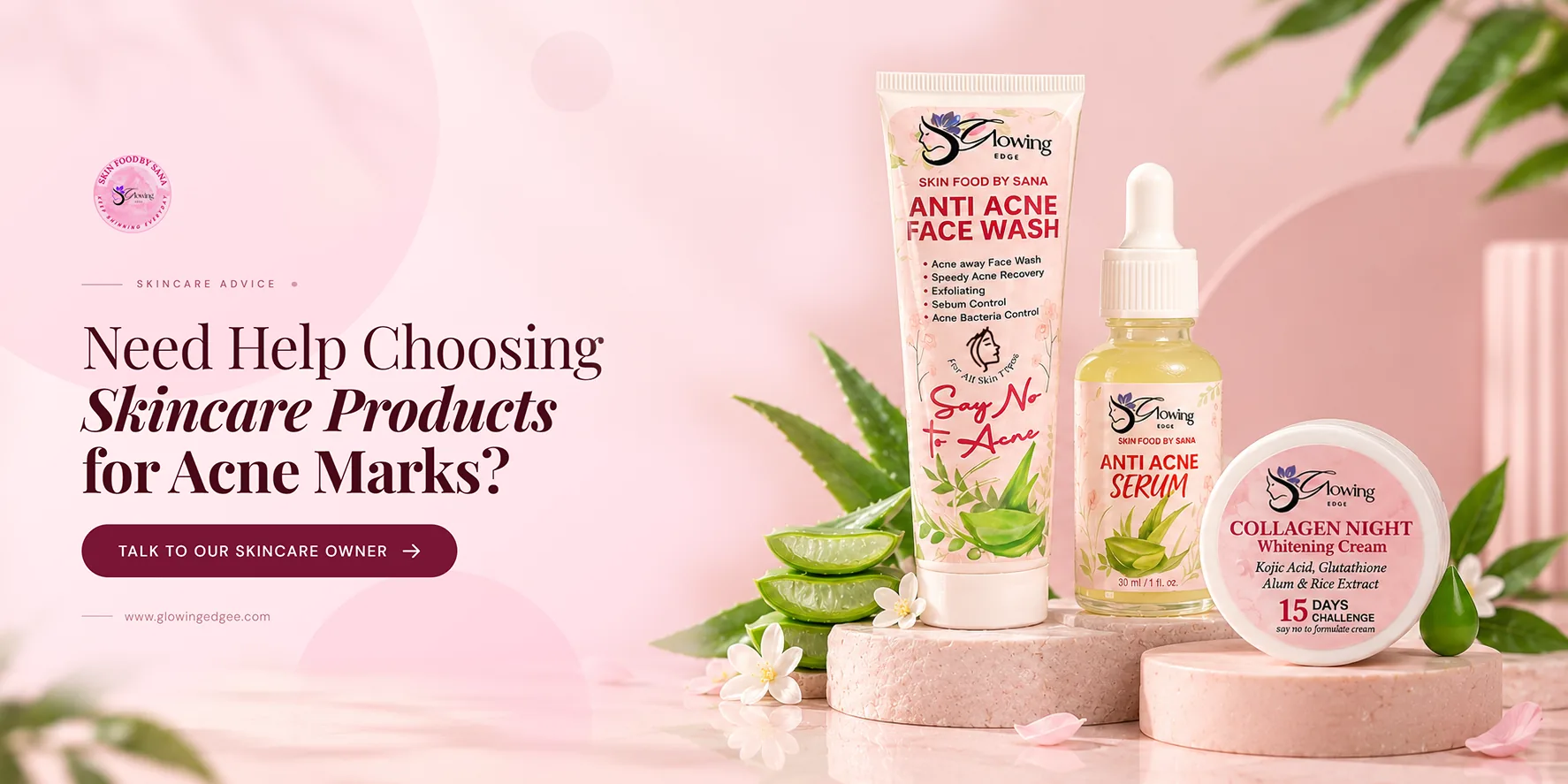
The Glowing Edge Anti-Acne Facewash is a good option if you have acne-prone skin. Keep in mind, the main purpose of a face wash is to cleanse your skin and regulate acne. It should not be used to eliminate preexisting dark spots.
4. Moisturize Your Skin Regularly
Oily skin requires moisture too. Drying out your skin without moisturizing can cause discomfort, especially when you’re applying an acne treatment; it can lead to dry skin.
Select a non-comedogenic moisturizer depending on your skin type that is lightweight. Moisturizer may help to maintain the skin barrier and enhance comfort during treatment use. If skin becomes irritated, very dry, or begins to peel, decrease the amount of active ingredients and consult a medical professional if symptoms persist.
5. Avoid Picking and Scrubbing Your Skin
When pimples or dark spots have been there a long time, it can be easy to want to pop them or scrub them away.
But these habits can cause inflammation that causes acne.
Avoid:
- Squeezing, picking, or scratching of pimples.
- Cleaning with hard scrubs.
- Using toothpaste or lemon juice on acne marks.
- Using several exfoliating products together.
- Using skin-lightening creams without a prescription.
- Treatment of the skin is gentler than harsh treatments that irritate the skin.
A Simple Skincare Routine for Acne Marks
You do not need a complicated routine to care for acne marks. Start with a few suitable products and add treatment ingredients gradually.
Morning Routine
- Wash your face with a mild face wash.
- Use an appropriate treatment serum (e.g., niacinamide or vitamin C) if tolerated.
- Apply a light moisturizer.
- Use sunscreen (broad-spectrum, SPF 30 or higher).
Evening Routine
- Wash your face to remove dirt, oil, cosmetics, and sunscreen.
- Use one appropriate product to treat acne spots.
- Apply a moisturizer at the end.
- Avoid using multiple strong active ingredients together when starting your routine.
If you have oily skin, you might want to check out the Glowing Edge Acne Away Bundle or the skincare collection for products that would work for you.
If using a new product, always read the ingredients and directions on the product before adding it to your routine.
How Long Does Acne Marks Removal Take?
One of the most common questions is how quickly acne marks can disappear.
It really depends on the nature of the mark, its depth, skin tone, sun exposure and if there are still new acne appearing.
A few dark patches can get better over time in a few months. Deeper pigmentation may take a longer time (one year or more).
Regularly repeating the same procedure can help fade marks, but it is impossible to predict exactly how long it will take for the marks to fade.
Be patient with your skin and don’t switch products every day. Give a suitable routine time to work, unless you experience irritation or other unwanted reactions.
Conclusion
While acne marks and dark spots may take time to fade, the right skin care regimen can help to improve the look of uneven skin tone. Concentrate on gentle cleansing, appropriate skin care ingredients, everyday sun protection, and the prevention of new acne.
Do not use harsh remedies or too much exfoliation, as these can irritate the skin. Consistency is key when caring for acne marks.
Looking for skin care advice on how to get rid of acne marks? Talk to our skincare owner for guidance on finding products that suit your skin.