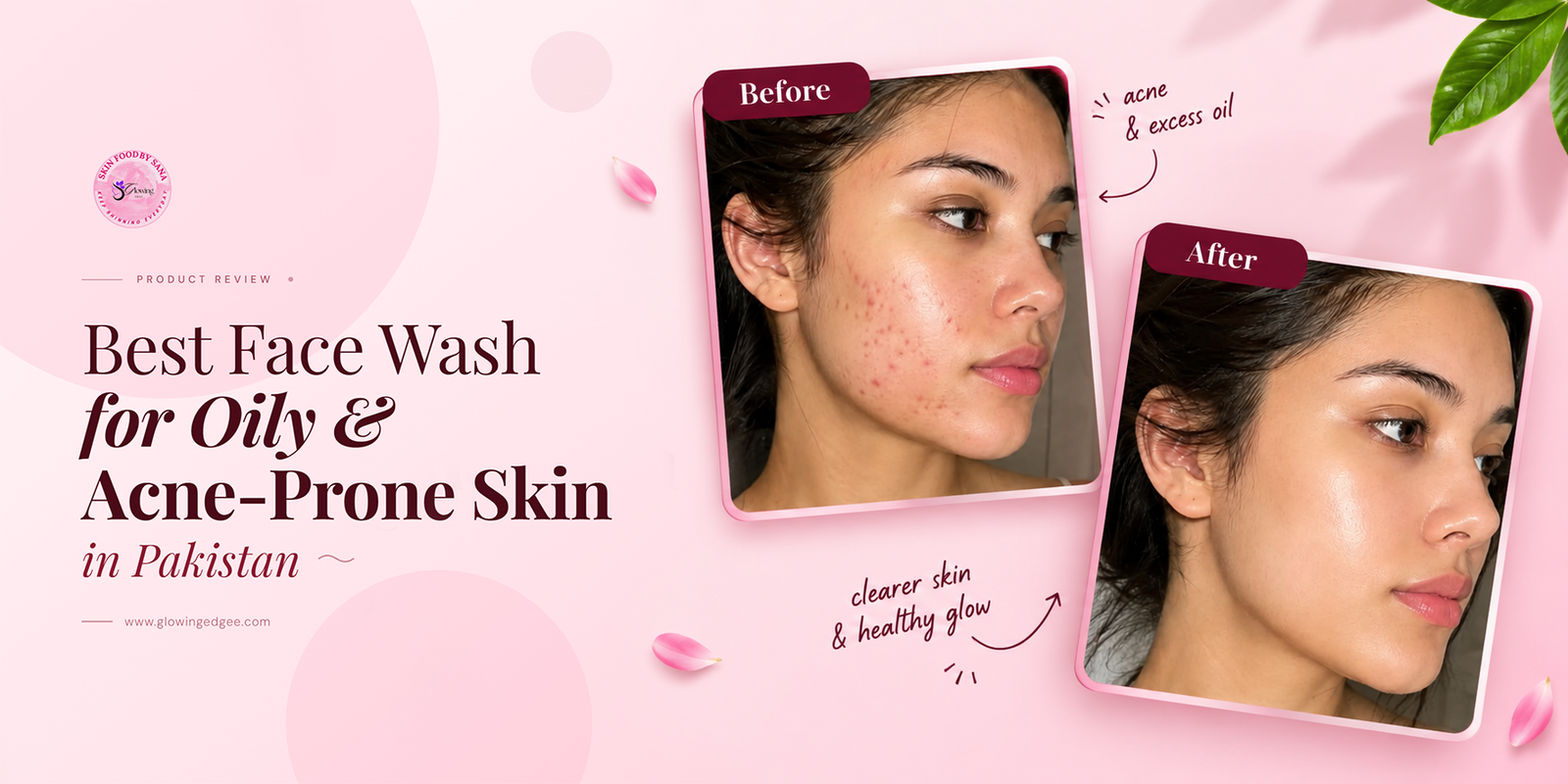
Does your face become oily just a few hours after washing it? Do you frequently notice pimples, blackheads, or clogged pores? If so, choosing the right face wash can be an important step in your skincare routine.
In the hot and humid weather of Pakistan, oily skin can be challenging to manage. Acne can result from excessive oil production, sweat, dirt, and inappropriate skin care products, all of which can clog pores and lead to skin irritation. But more frequent washing and using harsh cleansers is not the answer.
In Pakistan, the ideal face wash for oily and acne-prone skin should be able to effectively cleanse the skin of excess oil and daily grime without causing it to become too dry or irritated. This will depend on your skin type, sensitivity, and the ingredients in the formula.
This guide will explain how to pick the right face wash, what ingredients to avoid, how to use a face wash properly, and what to look out for when buying acne face wash.
What Causes Oily and Acne-Prone Skin?
Sebum, a natural oily substance is produced by your skin, which helps to protect your skin and keep it moisturized. If the skin produces excess sebum, it can combine with dead skin cells and contribute to clogged pores.
This can cause blackheads, whiteheads, and acne.
There are multiple causes for oily and acne-prone skin.
1. Excess Oil Production
There are some people who naturally have more sebum production. This can result in a shiny appearance of the forehead, nose, and chin all day. Too much oil may cause clogged pores, so it is beneficial to have the right cleanser for regular use.
2. Heat and Humidity
During hot weather, your skin may feel oily, especially if you get a lot of sweat. Sweat does not directly contribute to the development of acne, but sweat, friction, and the use of improper products can worsen irritation. Gently cleansing your face after sweating can help remove buildup and keep your skin feeling fresh.
3. Hormonal Changes
Hormones can cause oily skin and acne. It’s one of the reasons why acne might show up during puberty or around the time of menstruation.
If acne does not go away, especially if you have deep or painful pimples, talk with a skincare expert about whether to use any other product or treatment to treat acne.
4. Unsuitable Skincare Products
Your skin may get irritated from heavy products, harsh cleansers, and too much exfoliation. Other products could also cause clogged pores.
With a few simple steps and the right products you can take care of your oily skin without irritating it.
How to Choose the Best Face Wash for Oily Skin in Pakistan
Not all face washes are suitable for every skin type. What works well for one person’s skin may not work well for another’s.
When selecting a face wash for oily and acne skin, take these factors into account.
1. Look for Salicylic Acid
Salicylic acid is one of the most popular ingredients in skin care products, as it is an exfoliant and can help to unclog pores.
It is especially beneficial for those who suffer from whiteheads, blackheads, and blocked pores.
When buying a salicylic acid face wash in Pakistan, check the ingredient list and directions. If you have sensitive skin, use it sparingly to help avoid dryness or irritation from salicylic acid.
2. Consider Niacinamide
Niacinamide, also known as vitamin B3, is included in cosmetics to help the skin barrier and promote even skin tone.
It can also help to reduce excess oil, making it an ideal component to include in skincare products for those with oily skin. Niacinamide can be included in a skincare routine that helps maintain a balanced and clean complexion.
3. Choose a Gentle Formula
Not all strong and drying cleansers are good for oily skin. Avoid using harsh face washes because they will harm the skin barrier and lead to dryness, redness, and irritation. Use an oil-free, non-irritating formula that won’t make your face tight.
If your skin is not feeling the way you want after washing, you may need to try a different cleanser.
4. Check for Other Skin-Friendly Ingredients
Some cleansing products have ingredients like aloe vera, green tea, and other herbal extracts. These ingredients are often included to help condition the skin and provide a comfortable cleansing experience.
But some people can also react to the natural ingredients. Read the full list of ingredients, particularly if you have sensitive skin or allergies.
5. Avoid Products That Leave Your Skin Too Dry
Your goal should be to remove excess oil, not eliminate all the natural oils from your skin.
Try to avoid those cleansers that leave your face too dry and irritated. Non-comedogenic means that the product won’t clog pores, which can benefit acne-prone skin.
Glowing Edge Anti-Acne Facewash for Oily Skin
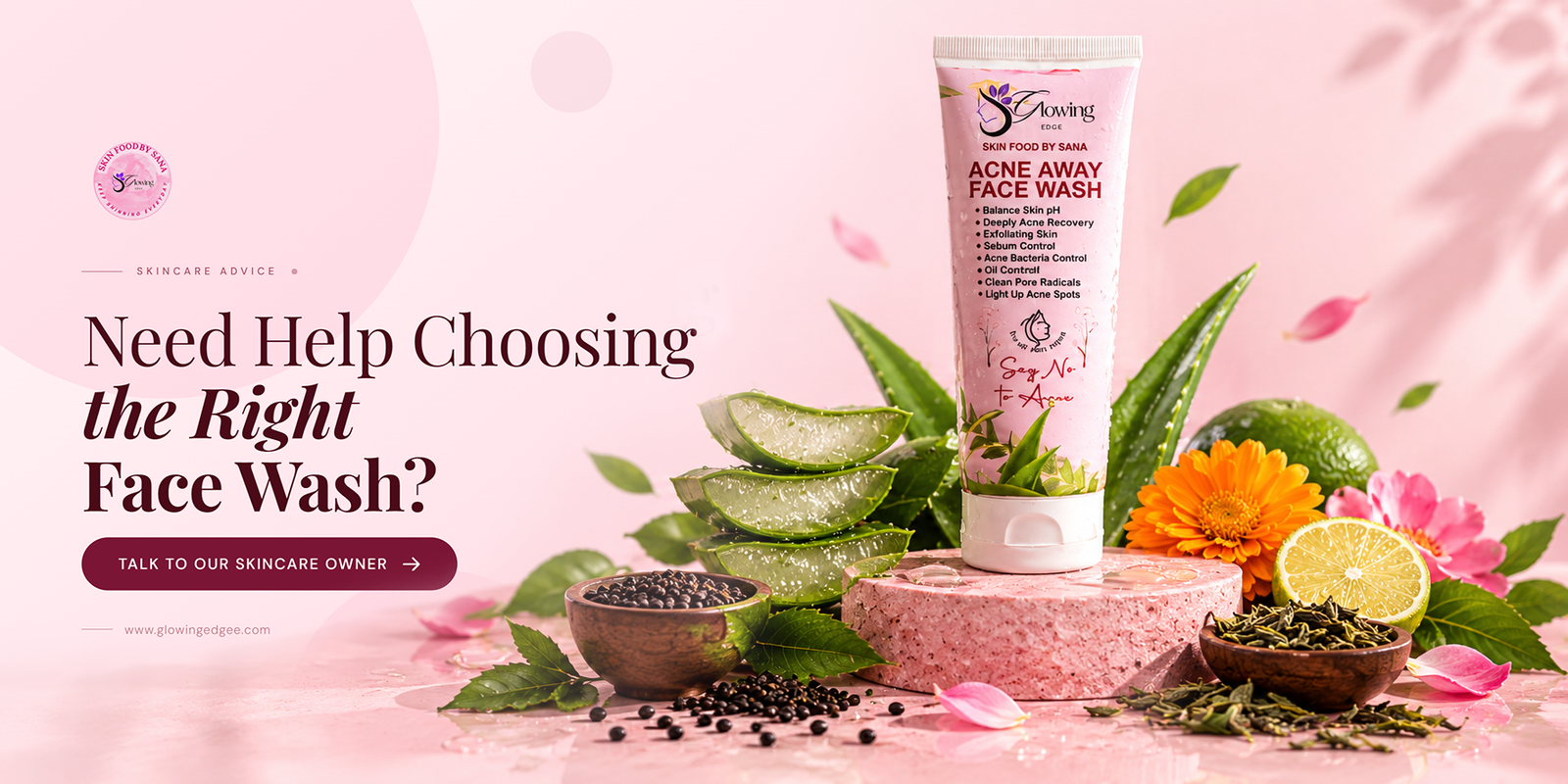
When it comes to buying an anti-acne face wash in Pakistan, Glowing Edge has a face wash with the name Anti-Acne Facewash, which is a product for oily and acne-prone skin.
It contains salicylic acid, niacinamide, tea tree oil, neem, green tea, and aloe vera. The ingredients are frequently found in skin care items that cleanse and treat skin prone to blemishes. The face wash is designed to remove excess oil, dirt, and everyday buildup while leaving your skin feeling clean and fresh.
If you have oily skin or acne problems, or choose to have a cleanser for an acne-prone skincare routine, this facewash may be the one you need. But each skin reacts differently. If your skin is sensitive, introduce the product cautiously and discontinue use if irritation develops.
Key Ingredients
- Salicylic Acid: Helps exfoliate the skin and clear buildup that may contribute to clogged pores.
- Niacinamide: Supports a balanced-looking complexion and the skin barrier.
- Tea Tree Oil: Commonly used in skincare products for blemish-prone skin.
- Neem Oil: Traditionally used in skincare formulations for its cleansing properties.
- Green Tea and Aloe Vera: Included to help condition the skin and provide a refreshed feel.
How to Use Face Wash for Oily and Acne-Prone Skin
Using the right facewash correctly is just as important as choosing a suitable product.
Follow these simple steps to cleanse your face without unnecessary irritation.
Step 1: Wet Your Face
Use lukewarm water to wet your face. Avoid very hot water, which can leave your skin feeling dry and uncomfortable.
Step 2: Apply a Small Amount
Take a small amount of face wash and gently massage it over your skin using your fingertips.
Avoid scrubbing with rough towels, brushes, or exfoliating tools.
Step 3: Rinse Thoroughly
Rinse your face with water and make sure no cleanser remains around your hairline, nose, or jawline.
Step 4: Pat Your Skin Dry
Use a clean, soft towel to pat your face dry instead of rubbing it aggressively.
Step 5: Apply Moisturizer
Finish with a lightweight moisturizer suitable for your skin type. Oily skin still needs hydration, particularly when you use acne-fighting ingredients.
Step 6: Apply Sunscreen in the Morning
Use a broad-spectrum sunscreen with SPF 30 or higher during the day. Sunscreen helps protect your skin and may prevent existing dark marks from becoming more noticeable.
For most people, cleansing twice daily and after sweating is sufficient. Washing too frequently can irritate the skin and make acne more difficult to manage.
Common Face Wash Mistakes to Avoid
Even a suitable facewash may cause problems if you use it incorrectly. Avoid these common mistakes.
1. Washing Your Face Too Often
Frequent cleansing can strip your skin of moisture and cause irritation. Stick to gentle cleansing, generally twice daily and after sweating.
2. Using Harsh Scrubs
Scrubbing does not remove acne more effectively. It can irritate inflamed skin and worsen redness.
3. Skipping Moisturizer
Oily skin still needs hydration. Choose a lightweight, non-comedogenic moisturizer rather than skipping this step.
4. Expecting Face Wash to Clear Every Pimple
A cleanser helps remove oil and impurities, but acne has several causes. Persistent or inflammatory acne may require targeted treatment recommended by a skincare expert.
5. Trying Multiple New Products Together
Introducing several products at once makes it difficult to identify the cause of irritation. Add new products gradually and follow their directions.
How Long Does It Take for an Acne Face Wash to Work?
The time required to notice a difference depends on the product, your skin type, and the severity of your acne.
A cleanser may leave your skin feeling cleaner immediately, but improvements in breakouts usually take longer. Some acne treatments need six to eight weeks or more to show noticeable results.
If your acne is getting worse, causing painful lesions, or leaving scars, do not rely on face wash alone. A skincare expert can recommend a treatment plan based on your skin’s needs.
Conclusion
Choosing the best face wash for oily and acne-prone skin in Pakistan starts with understanding your skin’s needs. A suitable cleanser should remove excess oil, sweat, and everyday impurities without causing excessive dryness or irritation.
Look for ingredients such as salicylic acid when clogged pores are a concern, consider niacinamide for additional skincare support, and maintain a routine that includes moisturizer and sunscreen.
Avoid harsh scrubbing, excessive cleansing, and trying too many products at once. Remember that face wash can support your skincare routine, but persistent or severe acne may require professional treatment.
At Glowing Edge, you can explore skincare options designed for oily and acne-prone skin. Review the product ingredients, choose products carefully, and build a simple routine that works for your skin.
Need help choosing a skincare product? Talk to our skincare owner for guidance on finding an option that suits your needs.