Finding suitable acne treatment in Pakistan starts with understanding your skin. Acne is a common skin issue among teens and adults. Acne can impact your skin as well as your self-confidence, from small pimples and blackheads to painful breakouts and persistent dark spots. It can be difficult to find the right products and establish a skincare routine if you have oily or acne-prone skin.
Skincare can be challenging in Pakistan due to the heat, humidity, sweat, excessive oil production, and constant exposure to dust. However, dirty skin isn’t the only cause of acne. Acne can be caused by hormonal fluctuations, blocked pores, inflammation, genetics, and some skin care products.
The good news is that there are several ways to manage acne and support healthier-looking skin. The best acne treatment in Pakistan is determined by the type of skin and the severity of the acne problem along with the type of products or treatment used.
This guide will discuss common acne triggers, what types of skin care products to use, what ingredients to avoid, and how to make a basic skin care routine for acne-prone skin.
What Causes Acne?
It is important to know the causes of acne before selecting an acne treatment. Acne occurs when the oil and dead cells block the pores of the skin. Pimples can also be caused by bacteria and inflammation.
There are a few things that can cause or make acne worse.
1. Excess Oil Production
Your skin is already producing a natural oil called sebum, which protects your skin. However, if there is too much sebum, it can combine with dead skin cells and clog pores, which increases the risk of blackheads, whiteheads, and pimples. Those who have oily skin might experience a shiny forehead, nose, and chin, as well as regular acne breakouts.
2. Hormonal Changes
Hormonal fluctuations can increase oil production and trigger acne. This can happen during puberty, around menstrual periods, or during other hormonal changes.
Women who have been suffering from acne for an extended period around the chin and jawline might be having hormonal acne. If acne happens along with irregular periods or other hormonal changes, then a healthcare professional can assist in determining the cause.
3. Heat, Sweat, and Humidity
Because of the climatic conditions in Pakistan, it can be hard to keep your oily skin feeling fresh. Heavy products, sweat, and friction can cause irritation or clogged pores, especially when you’re out for long periods of time.
Sweat itself does not automatically cause acne, but leaving sweat on the skin or rubbing it aggressively can worsen irritation.
4. Using the Wrong Skincare Products
Some heavy creams or makeup that clog pores can be a cause of acne. Excessive use of active ingredients can also cause skin irritation, leading to an appearance of redness and blemishes. Choose products labelled non-comedogenic, meaning they are formulated to reduce the likelihood of clogging pores.
5. Stress and Lifestyle Factors
Stress may worsen existing acne in some people. Acne isn’t caused by any one lifestyle factor, but poor sleep and some specific dietary factors may contribute. A balanced diet, regular sleep, and a consistent skincare routine can support your overall skin health, but they should not replace appropriate acne treatment.
Types of Acne You Should Know About
Treatment may vary according to the type of acne. Knowing what your acne is can help you know what to do next.
- Blackheads: Small, dark spots that develop when a clogged pore remains open.
- Whiteheads: Small, flesh-colored or white bumps caused by blocked pores.
- Papules: Small, raised, inflamed bumps that may appear red or tender.
- Pustules: Pimples that are inflamed and filled with visible pus.
- Nodules and cysts: Larger, deep acne lesions that are often painful and should be assessed by a dermatologist because they can leave scars.
If you have a few mild pimples or blackheads, a suitable skincare routine might help. However, if the acne has become deep, painful, persistent, or scarring, it is recommended that it be assessed by a qualified dermatologist.
How to Choose the Right Acne Treatment in Pakistan
No single acne product works for everyone. Your skin type, acne type, and skin sensitivity should guide your choices.
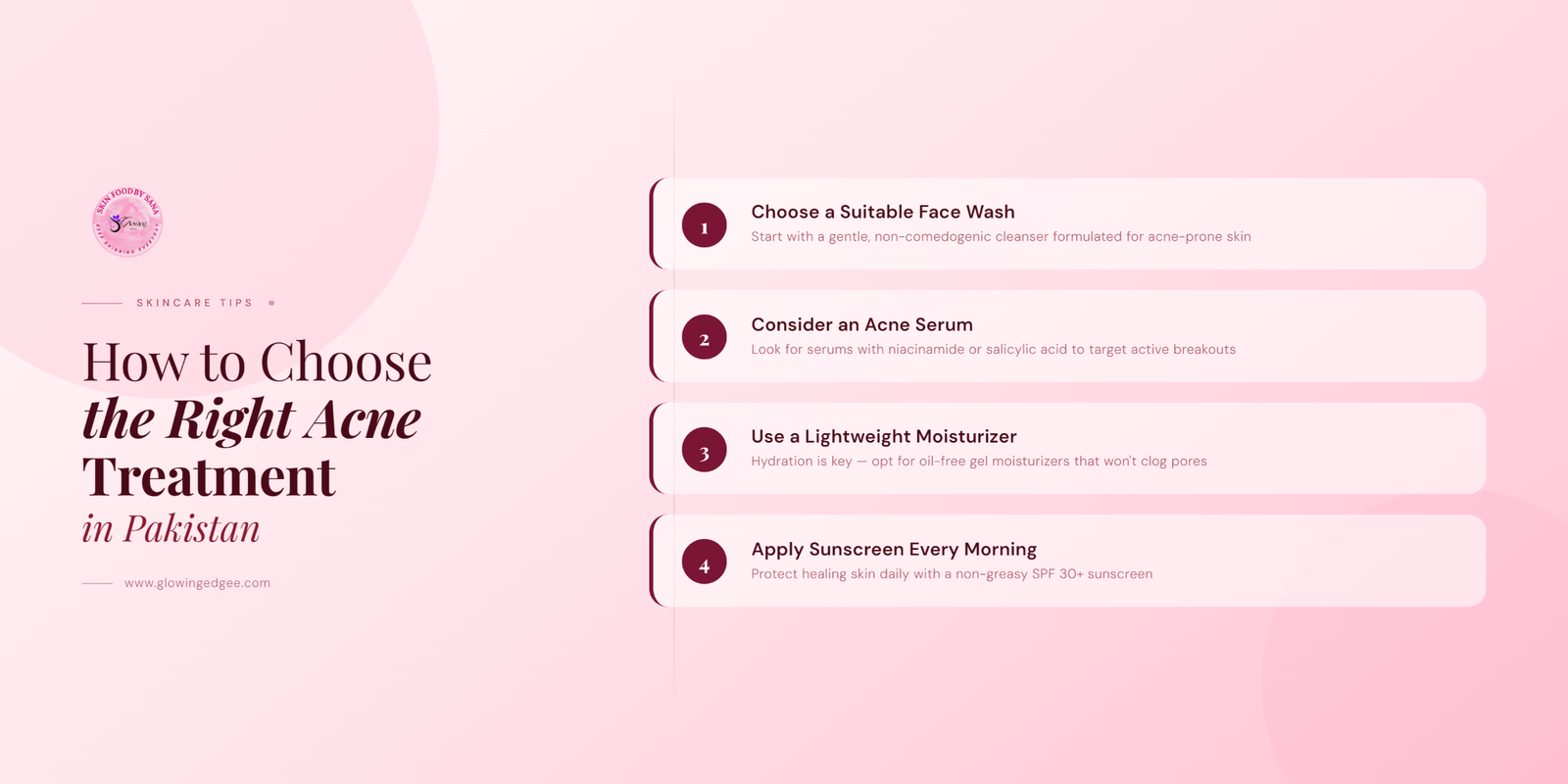
1. Choose a Suitable Face Wash
Cleansing is designed to wash away impurities, such as excessive oil, makeup, sunscreen, and sweat, from the skin. If you have oily or acne-prone skin, look for a mild cleanser that won’t tighten or dry your skin.
Salicylic acid is a popular acne treatment that can help clear pores. It may be beneficial for those who have blackheads, whiteheads, or excess oil.
If you have sensitive skin, start using active substances with caution and be aware of any irritation. Gently wash your face up to twice daily and after sweating; avoid repeated washing throughout the day.
When you are looking for the best face wash for acne in Pakistan, look at the ingredients, skin compatibility, and instructions for use, instead of marketing claims.
2. Consider an Acne Serum
An acne serum may help address specific concerns, depending on its ingredients and formulation.
Common ingredients used in acne skincare include:
- Salicylic acid: Helps unclog pores and is often used for blackheads and whiteheads.
- Niacinamide: Can support the skin barrier and help manage excess oil and visible redness.
- Azelaic acid: Can help with acne and the dark marks that remain after breakouts.
- Benzoyl peroxide: Helps reduce acne-causing bacteria and is commonly used for inflammatory pimples.
Not all serum formulations contain these ingredients, and not all ingredients are appropriate for all skin types. Please read the label before buying. When introducing an acne serum, start with one suitable product and follow its instructions. Do not mix more than one strong active ingredient at a time, as this may lead to dryness, burning, and irritation.
When you are searching for a serum to treat acne in Pakistan, make sure to choose the one that addresses your primary issue, not just because it claims to produce quick results.
3. Use a Lightweight Moisturizer
The most common skin care mistake is not using moisturizer when you think your skin is oily. Your skin still needs hydration, even when it produces excess sebum. Excessive cleaning of the face or using harsh acne treatments can damage the skin barrier, resulting in dryness, peeling, and irritation. Use a light moisturizer that is not comedogenic and feels good on your skin.
4. Apply Sunscreen Every Morning
Sunscreen is essential while treating acne, especially if your skin develops dark areas after pimples have healed. Sun exposure can darken the marks left after acne. Select a broad-spectrum sunscreen with an SPF of 30 or higher that is appropriate for your skin tone and does not leave your skin greasy.
Use it daily and reapply as needed, particularly when outside. If you are using prescription acne treatments, ask your prescribing clinician how to protect your skin from increased sensitivity.
A Simple Daily Acne Skincare Routine
You do not need a shelf full of products to care for acne-prone skin. A basic routine with a cleanser, moisturizer, sunscreen, and an appropriate acne treatment is often a more practical starting point.
Morning Routine
- Wash your face gently with a cleanser suited to your skin type. Avoid harsh scrubs and very hot water.
- If your skincare plan includes a serum, apply it according to the product instructions. Introduce new active ingredients gradually, especially if your skin is sensitive.
- Use a lightweight moisturizer to help maintain skin hydration and support the skin barrier.
- Finish with broad-spectrum SPF 30 or higher to help protect your skin from sun damage and worsening dark marks.
Night Routine
- Gently remove makeup, sunscreen, and the day’s impurities without rubbing your skin harshly.
- Use a gentle cleanser to leave your skin clean without stripping away too much moisture.
- Use your selected treatment as directed. If you are using prescription medication, follow your prescribing clinician’s instructions rather than adding other treatments independently.
- Finish with a suitable moisturizer to help reduce dryness and maintain your skin barrier. Consistency matters more than having a complicated routine. Give an appropriate acne treatment for around six to eight weeks to show improvement unless you experience irritation or your healthcare professional advises otherwise.
How to Manage Acne and Dark Spots Together
When it comes to acne, the battle doesn’t end once the pimple clears up. Brown or dark marks may persist as a result of the inflammation after the initial healing has occurred.
These flat marks are often a type of post-inflammatory hyperpigmentation, which occurs after skin inflammation.
When searching for a treatment to get rid of acne scars and dark spots, it is crucial to differentiate between flat dark spots and acne scars.
For Flat Dark Marks
Here are a few skincare routines to keep in mind:
- Apply sunscreen regularly to minimize more pigmentation.
- Do not pick, squeeze, or scratch pimples.
- Choose suitable ingredients, such as azelaic acid, when appropriate.
- Keep your routine gentle and avoid products that cause persistent irritation.
The dark marks can last several weeks or months, depending on the depth, the kind of treatment, and your skin.
For Deep or Raised Acne Scars
Acne scarring alters the texture of the skin. They may appear as small depressions, deeper pits, or raised areas.
These scars typically need a professional evaluation. Depending on the type of scar and your skin, a qualified dermatologist might suggest microneedling, chemical peels, laser treatments, or other treatments. Don’t expect to get rid of these scars entirely with skin care products, as these will not do much to change what has already happened.
6 Common Acne Treatment Mistakes to Avoid
Sometimes, the products and habits you use to clear your skin can make the problem worse. Avoid these common mistakes when creating your skincare routine.
1. Scrubbing Your Face Too Hard
Acne does not mean your skin is dirty. Harsh scrubbing can irritate inflamed skin and increase the risk of dark marks. Cleanse gently using your fingertips.
2. Applying Home Remedies
Home remedies such as toothpaste and lemon juice are not reliable acne treatments. They can irritate your skin and may cause further inflammation or discoloration.
3. Trying Too Many Products at Once
Using multiple serums, exfoliants, and acne treatments together can make it difficult to identify what is helping or causing irritation.
4. Popping Pimples
Squeezing pimples can push inflammation deeper into the skin and increase the risk of infection, dark marks, and permanent scars.
5. Expecting Overnight Results
Acne treatment takes patience. Many effective treatments need several weeks to show noticeable improvement. Switching products every few days can make it harder to determine whether a routine is working.
6. Ignoring Persistent or Severe Acne
If your acne is painful, worsening, leaving scars, or affecting your confidence, consult a qualified dermatologist. You may need prescription medication or treatment for an underlying hormonal issue.
How to Choose Acne Skincare Products at Glowing Edge
Finding suitable skincare products can be confusing when so many options promise clearer, smoother skin. A useful starting point is to understand your main concern and check whether the product’s ingredients and instructions match your needs. At Glowing Edge, you can explore skincare products available to customers across Pakistan.
For example, you can browse the Glowing Edge skincare collection to review the available options.
If you want to explore products for an acne-focused routine, the following options may be worth reviewing:
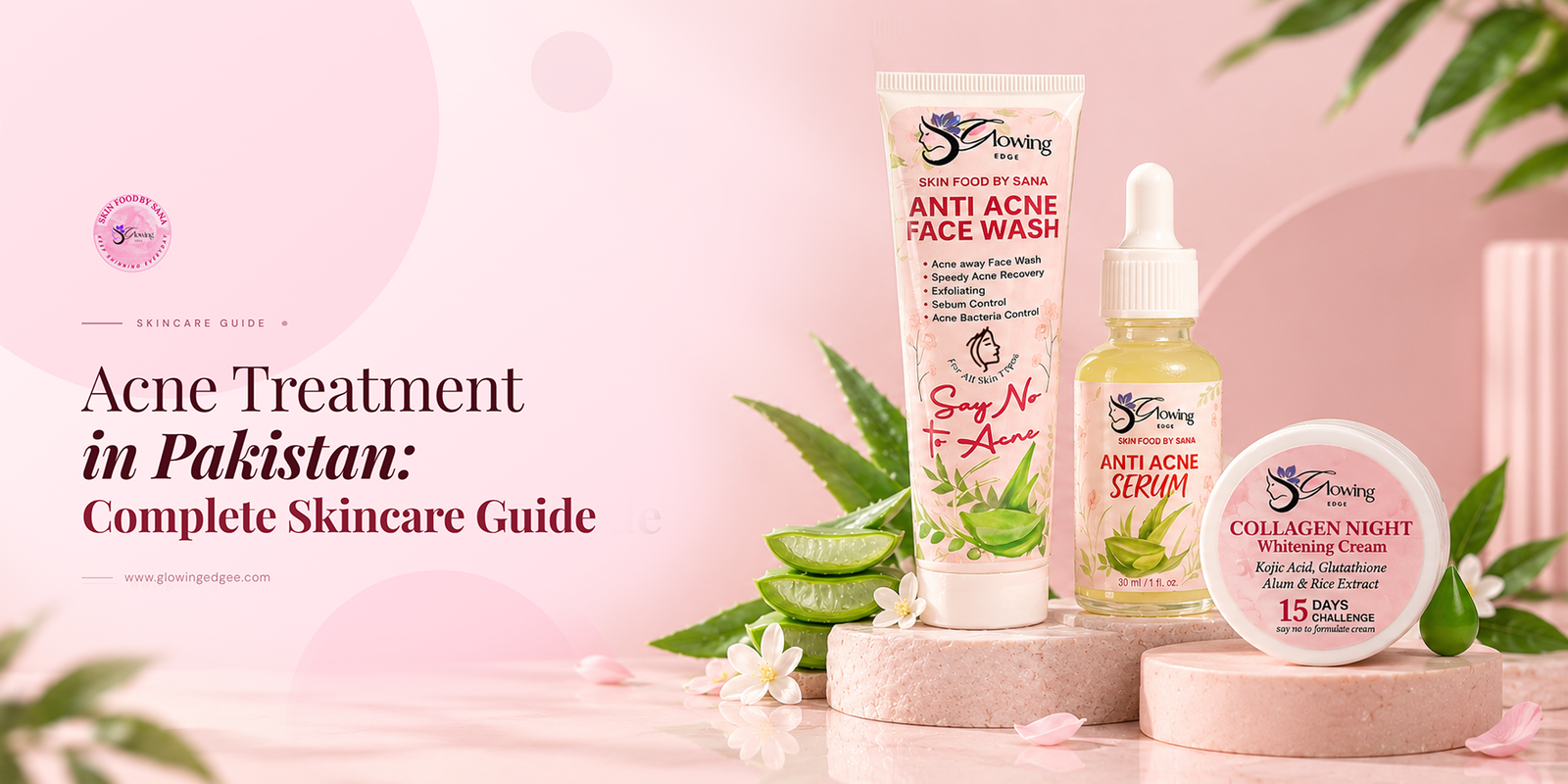
- Anti-Acne Facewash: An option to explore when choosing a cleanser for acne-prone skin.
- Anti-Acne Serum: An option to review if you are considering a targeted skincare product for breakouts.
- Acne Away Bundle: A bundled option to explore if you prefer reviewing related skincare products together.
You can view the Anti-Acne Facewash and Anti-Acne Serum options through the skincare collection.
Before purchasing, read each product’s ingredient list and directions. Check whether the formulation suits your skin type, introduce new products gradually, and discontinue use if you experience a reaction.
Remember that cosmetic skincare products can support your routine, but they are not a substitute for medical treatment when acne is severe or persistent.
Conclusion
Acne treatment requires time, patience, and a skincare routine that works for your skin. If you have occasional breakouts, oily skin, blackheads, or dark marks, you need to know about your skin first, rather than using all the products you can.
Focus on gentle cleansing, suitable acne-fighting ingredients, regular moisturizing, daily sunscreen, and consistent use of your chosen treatment. Avoid harsh home remedies, excessive exfoliation, and picking at pimples. If acne is painful, persistent, or scarring, consult a qualified dermatologist for appropriate treatment.
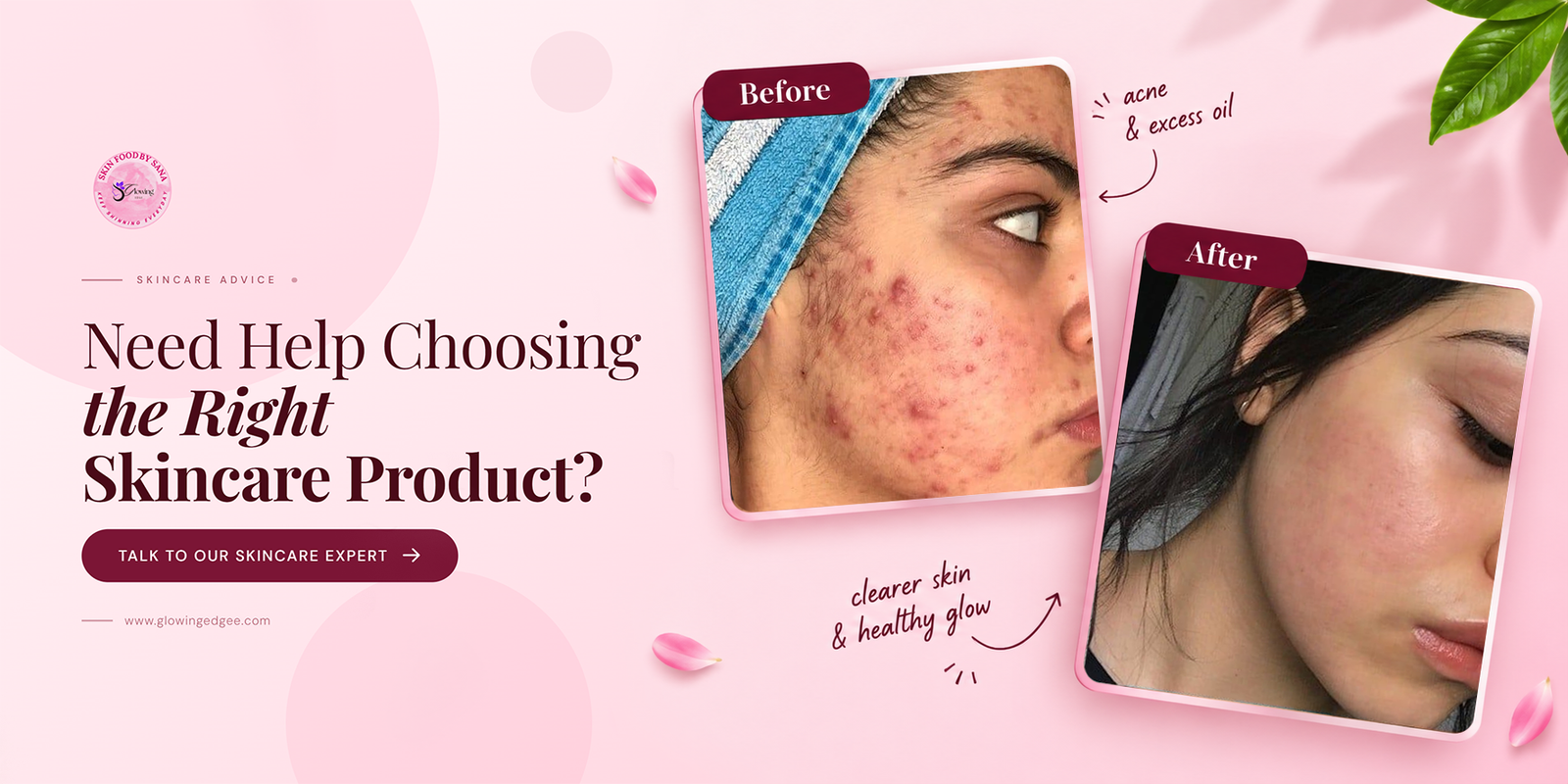
At Glowing Edge, a skincare brand in Pakistan, the owner takes a personal approach by first discussing your skin concerns and understanding your needs before recommending suitable products for your routine. This enables you to make better decisions based on your concerns instead of picking the product randomly. The first step is to determine your major skin problem, read the ingredients, and select the products carefully. It’s possible to achieve a healthier-looking complexion without adding an excessive amount of steps to your skincare routine, with consistency and proper guidance.
Further reading: American Academy of Dermatology: tips for managing acne.